Go to Home Page

Fundamentals of
Quantum Computing

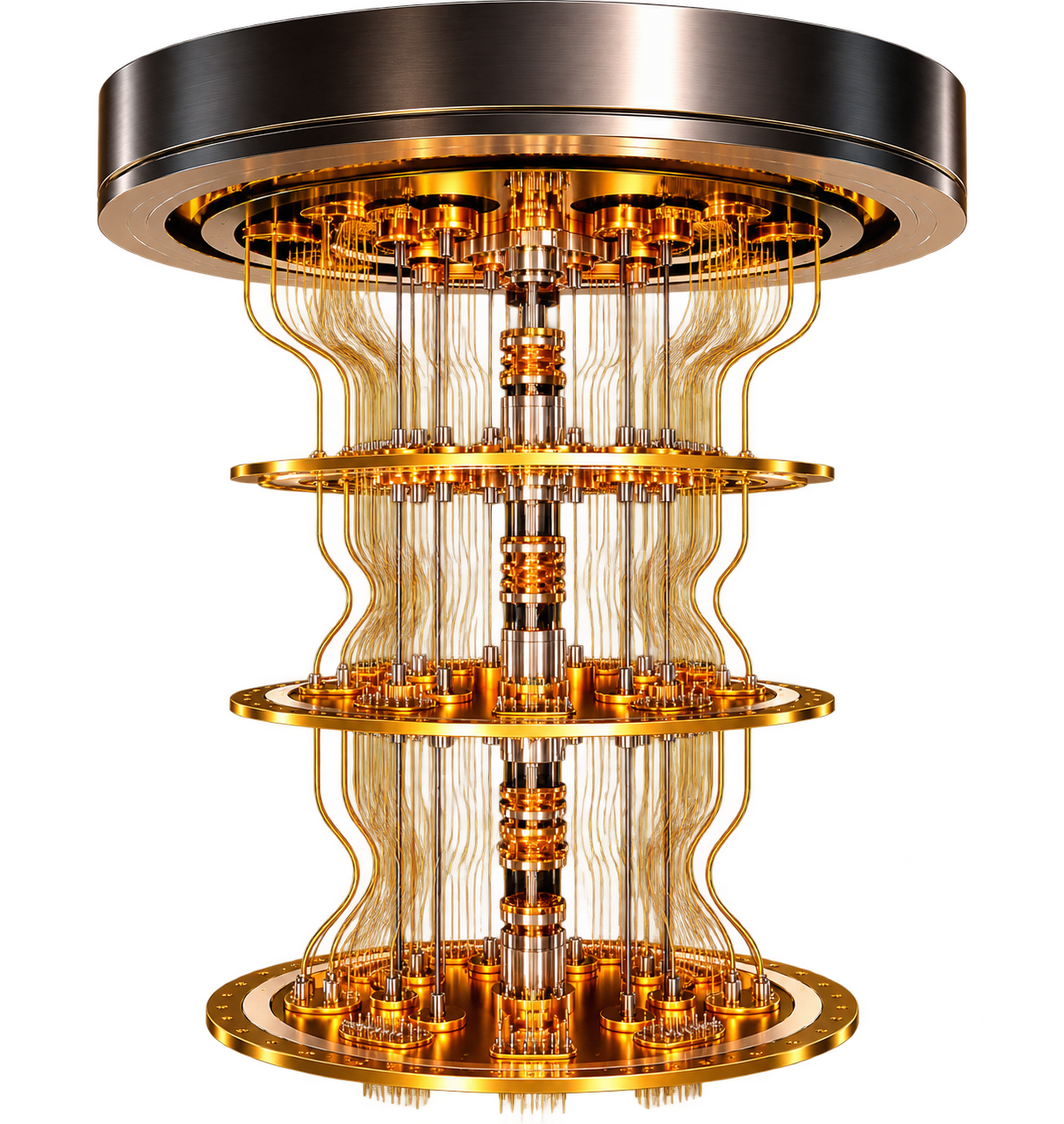
Quantum computer

What is Quantum Computing?

Quantum refers to the discrete, smallest units in which certain physical properties, such as energy, can exist or be exchanged.

Think of quantum as nature's ultimate Lego bricks. At the microscopic level, some physical properties don't change continuously; instead, they occur in specific, discrete amounts.

These tiny quantum systems can possess special properties—such as superposition and entanglement—that quantum computers harness to process information in ways that are fundamentally different from standard, bit-based computers.

Unlike classical computers, which typically use semiconductor transistors to represent bits, quantum computers can use different physical quantum systems as qubits. Companies and research groups around the world are developing several competing approaches.

Some of the important approaches include:

Electrons — Tiny Quantum Magnets
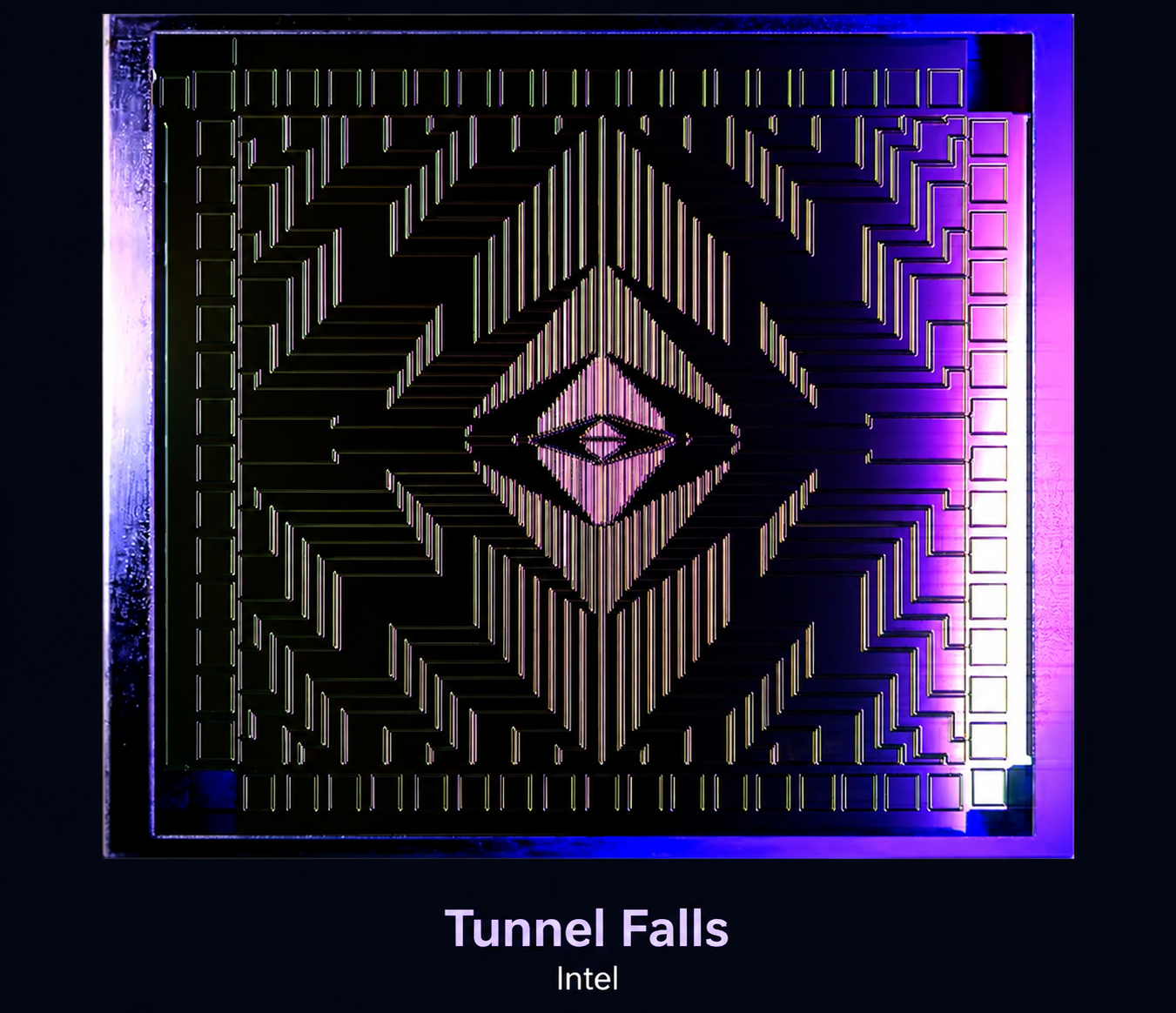
Intel Tunnel Falls quantum processor

Companies such as Intel are developing spin qubits, where information is encoded in the spin state of individual electrons confined in silicon.

Carefully controlled electrical and microwave signals can manipulate these spin states, allowing them to represent and process quantum information.

Photons — Particles of Light
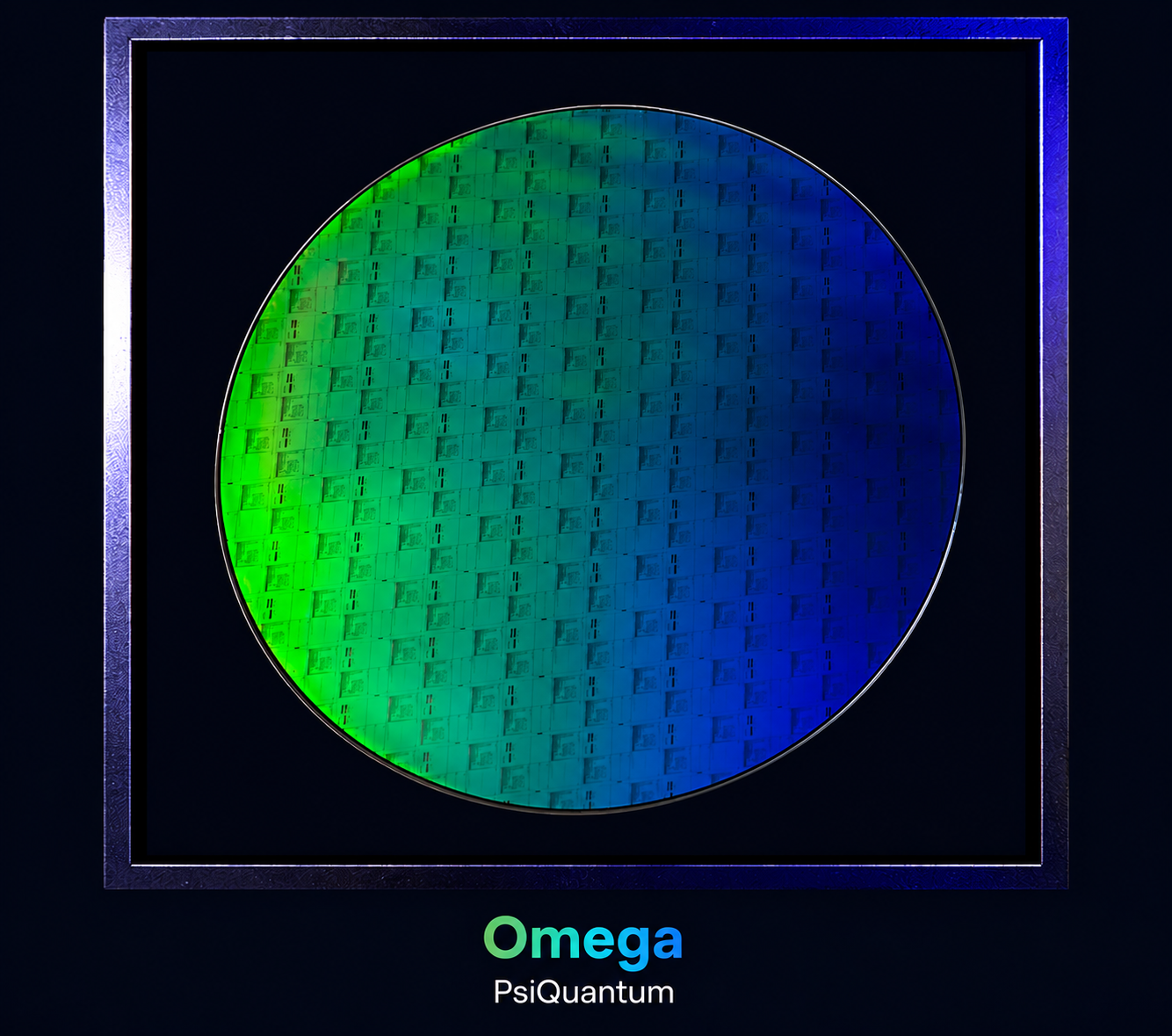
PsiQuantum Omega quantum chip

Companies such as PsiQuantum are developing quantum computers based on photons, or particles of light.

Photons can be generated, manipulated, and sent through tiny optical circuits to carry quantum information. One advantage of photonic systems is that they can operate without the extremely low temperatures required by superconducting qubits.

Superconducting Qubits — Artificial Atoms
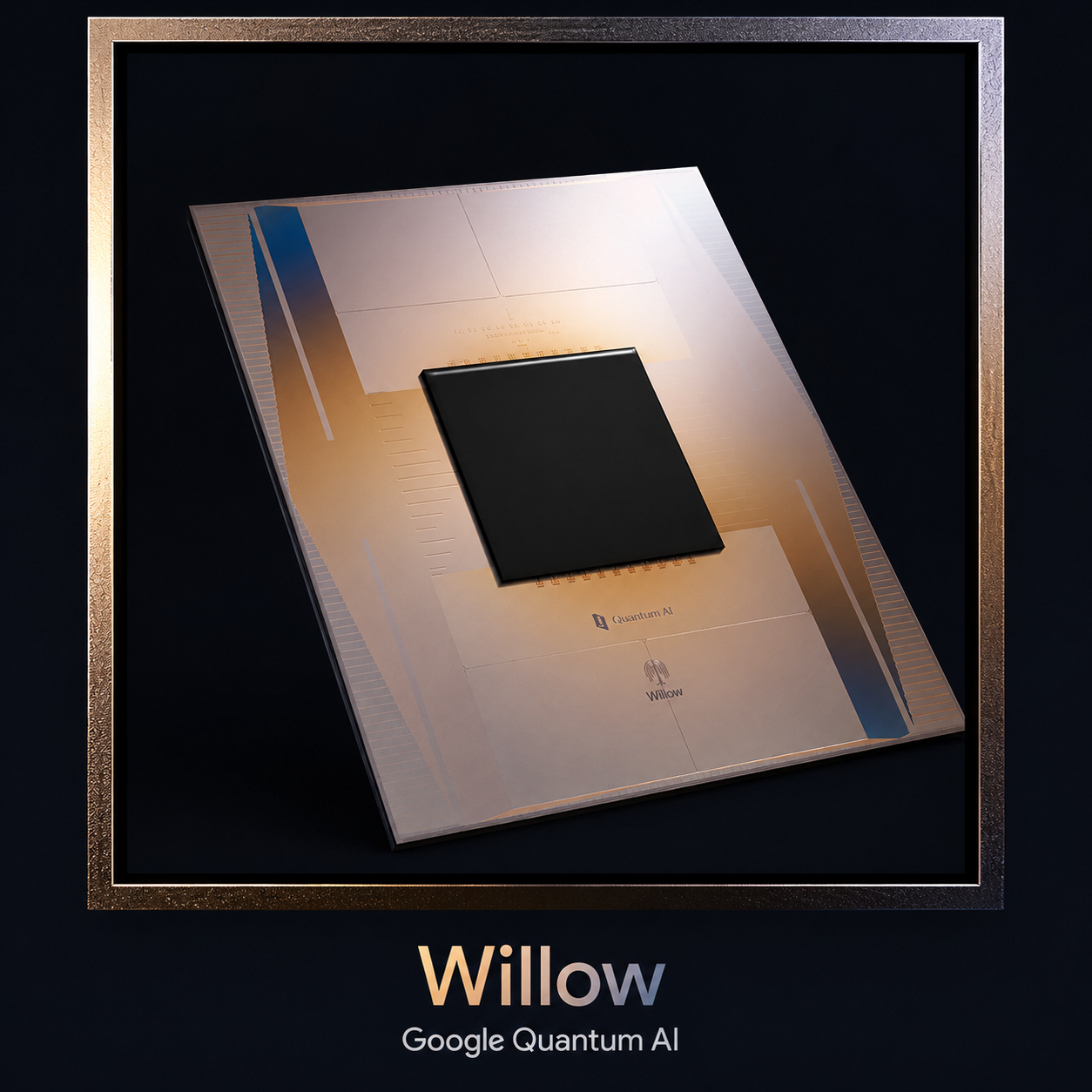
Google willow quantum chip

Companies such as IBM and Google use superconducting qubits.

These are tiny electrical circuits made from superconducting materials and fabricated on chips. When cooled to extremely low temperatures, these circuits exhibit quantum behaviour and can act like artificial atoms, with controllable quantum states that can be used as qubits.

UNDERSTANDING THE DIFFERENCE

Classical Bits vs Qubits

To understand why quantum computing could become powerful, we first need to understand how a qubit differs from a classical bit.

01

State Representation

Bit

A classical bit is like a light switch. It can be either 0 or 1.

Easy example:
OFF = 0    ON = 1

Qubit

A qubit can exist in a quantum combination of 0 and 1 before it is measured. When measured, it gives a definite result: either 0 or 1.

Easy example:
Think of a spinning coin. While spinning, it isn't simply heads or tails.
02

Scaling Power

Classical bits

Each additional bit doubles the number of possible combinations. But a classical computer works with one definite combination at a time.

Example:

1 bit → 2 possibilities
2 bits → 4 possibilities
3 bits → 8 possibilities
10 bits → 1,024 possibilities

Qubits

With quantum superposition, a system of n qubits can represent a quantum state involving 2ⁿ possible configurations.

This is one reason the potential state space grows extremely quickly as more qubits are added.

03

Interconnection

Classical bits

Classical computers use logic gates such as AND, OR, and NOT to manipulate bits.

Easy example:
A calculator follows logical instructions using ordinary bits.

Qubits

Qubits can also be connected through a quantum phenomenon called entanglement.

Entangled qubits have correlated quantum states, creating relationships that classical bits cannot reproduce in the same way.

WHY QUBITS ARE INTERESTING

The Power of Exponential Scaling

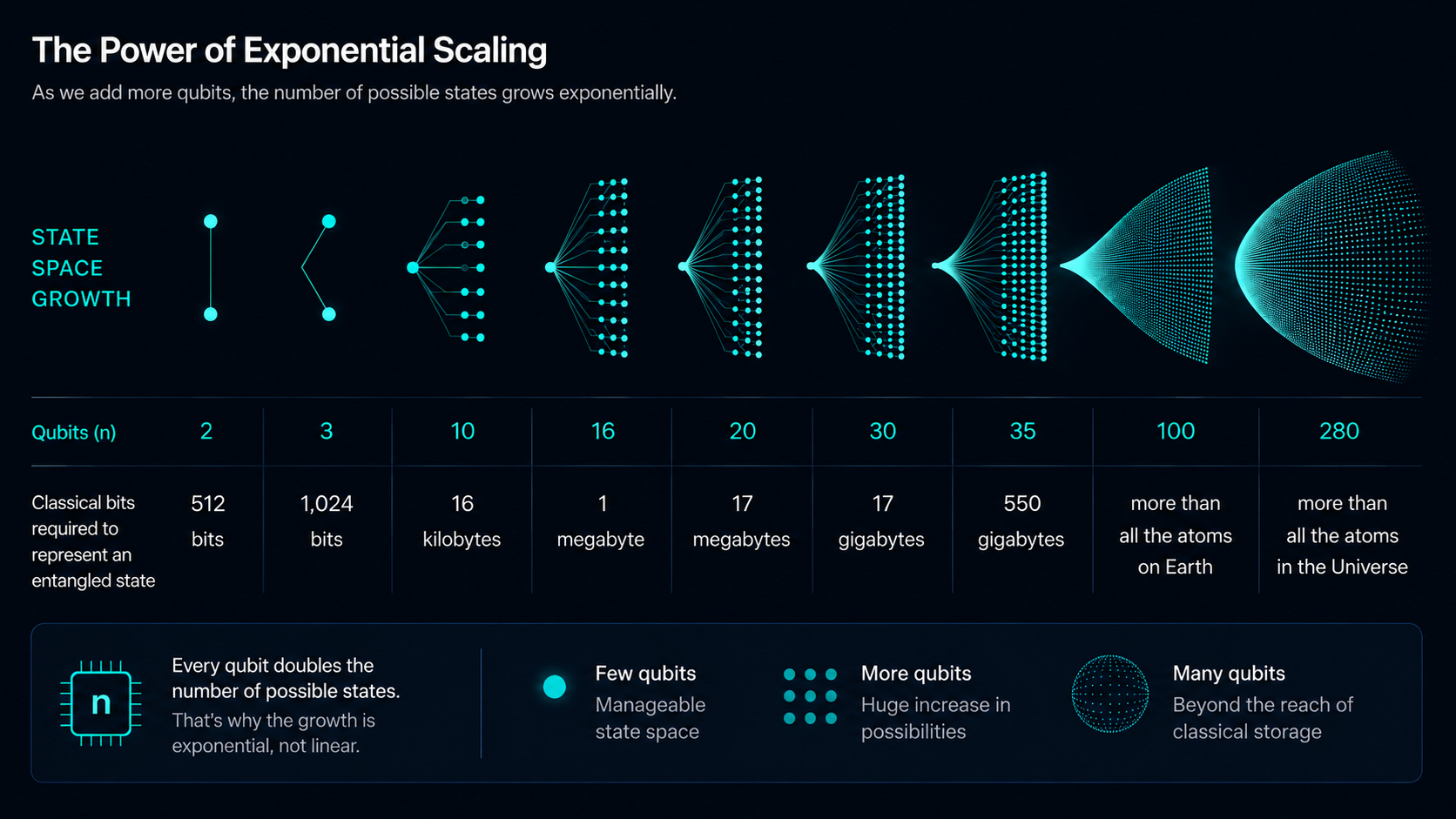
The number of possible configurations grows extremely quickly as more qubits are added.

The example below shows how quickly the amount of classical information needed to represent certain quantum states can become enormous.

Comparison showing how the number of classical bits required to represent quantum states grows rapidly as the number of qubits increases

As the number of qubits increases, the size of the quantum state space grows exponentially.

PRACTICAL UTILITY

So, Why Does This Matter?

Classical Computers

Classical bits are extremely reliable and are excellent for everyday computing.

  • Web browsing
  • Smartphones
  • Banking systems
  • Games and applications
  • Business software

Quantum Computers

Qubits may provide an advantage for certain specialised problems that are difficult for classical computers.

  • Molecular and material simulation
  • Some optimisation problems
  • Quantum system simulation
  • Certain cryptographic problems

Quantum computers are not faster at everything. Their potential advantage depends on the problem being solved and the algorithm being used.

THE QUANTUM RULES

The 3 Quantum Properties Powering Quantum Computers

Quantum computers work differently from classical computers because they use special properties of quantum mechanics.

Three of the most important are superposition, entanglement, and quantum interference.

01
SUPERPOSITION

A Qubit Can Exist in a Quantum Combination

A classical bit is either 0 or 1.

A qubit can exist in a quantum combination of 0 and 1 before it is measured.

EASY ANALOGY

Imagine a coin spinning in the air. A coin lying on a table is clearly heads or tails. A spinning coin is a useful analogy for a qubit before measurement.

CLASSICAL BIT
0
One definite state
VS
QUBIT
0 + 1
Quantum combination
02
ENTANGLEMENT

Qubits Can Become Deeply Connected

Two or more quantum systems can become entangled, meaning their quantum states become strongly correlated.

Measuring one member of an entangled pair gives you information about the other, even when they are far apart.

EASY ANALOGY

Imagine two special dice whose results are linked. You roll one here and the result tells you something about the other one elsewhere.

Q1
Q2
CORRELATED QUANTUM STATES
03
QUANTUM INTERFERENCE

Amplifying the Right Quantum Possibilities

Quantum states behave like waves of probability. These waves can interact with one another.

Quantum algorithms use this behaviour to strengthen useful outcomes and suppress unwanted ones.

+ Constructive interference Amplifies a signal
− Destructive interference Cancels a signal
CONSTRUCTIVE
↑
DESTRUCTIVE
→
!
THE CHALLENGE

Decoherence

Quantum states are extremely sensitive to their surroundings. Interaction with the environment can destroy the delicate quantum behaviour needed for computation.

This is one reason many quantum computers require highly controlled environments and, for some hardware approaches, extremely low temperatures.